
Videos
Explore SALURBAL's video content showcasing urban health research and insights.
Latest Videos
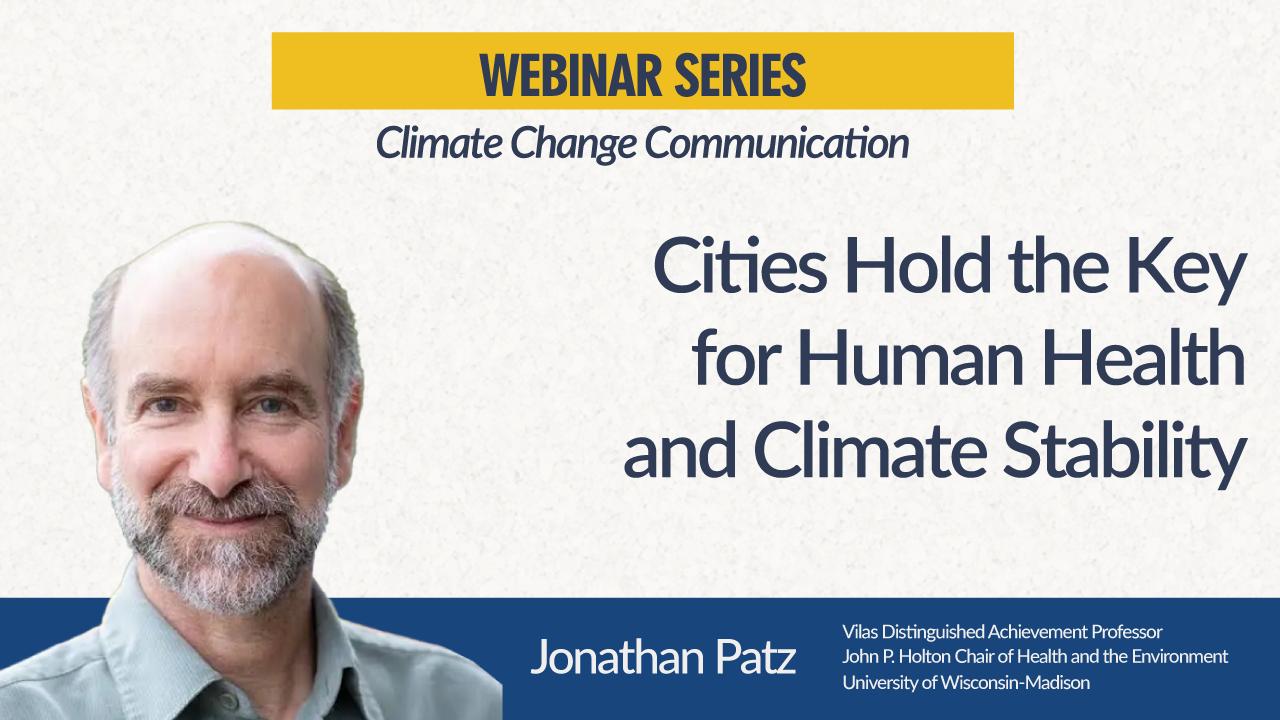
The second session of the webinar series "Climate Change Communication" featured a presentation by Dr. Jonathan Patz, recorded on November 20. Jonathan Patz, MD, MPH, is Vilas Distinguished Achievement Professor and the John P. Holton Chair of Health and the Environment. For 15 years, Patz served as a lead author for the United Nations Intergovernmental Panel on Climate Change (or IPCC).
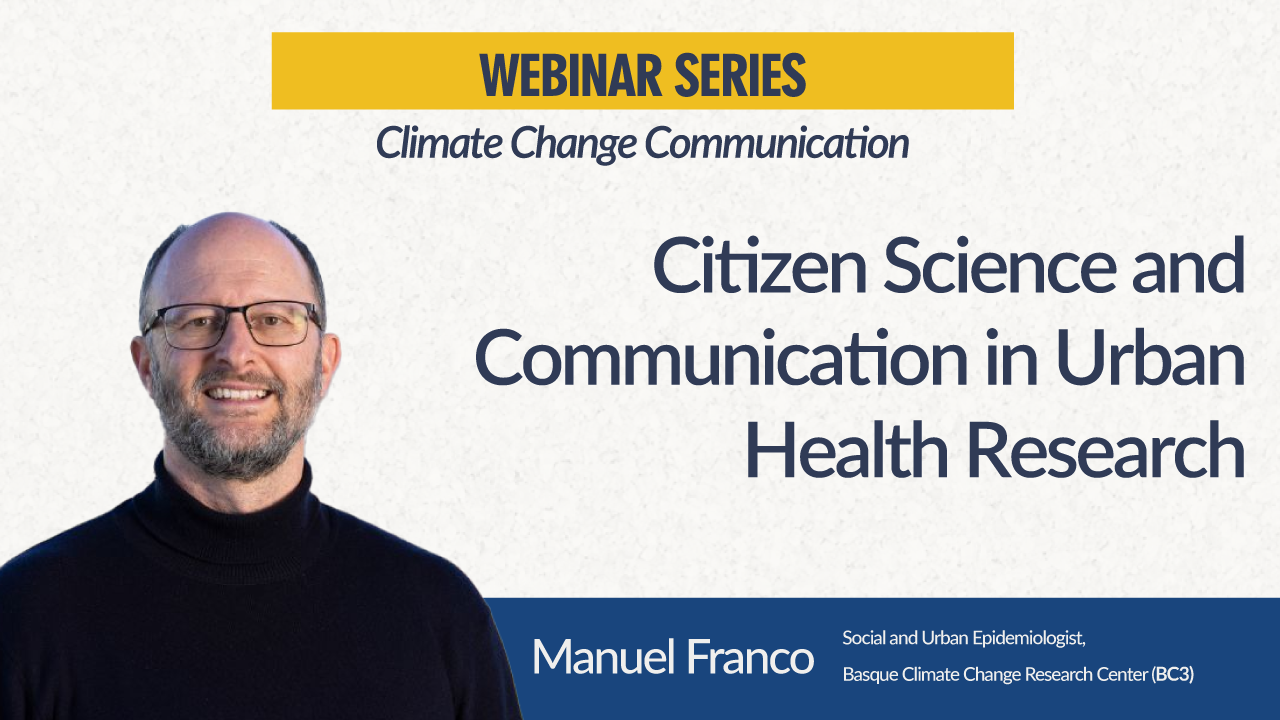
First webinar on the series “Climate Change Communication”. This session features Dr. Manuel Franco, an expert in urban design, climate, and public health. He focuses on translating complex science into practical solutions and often works with national and international media outlets.
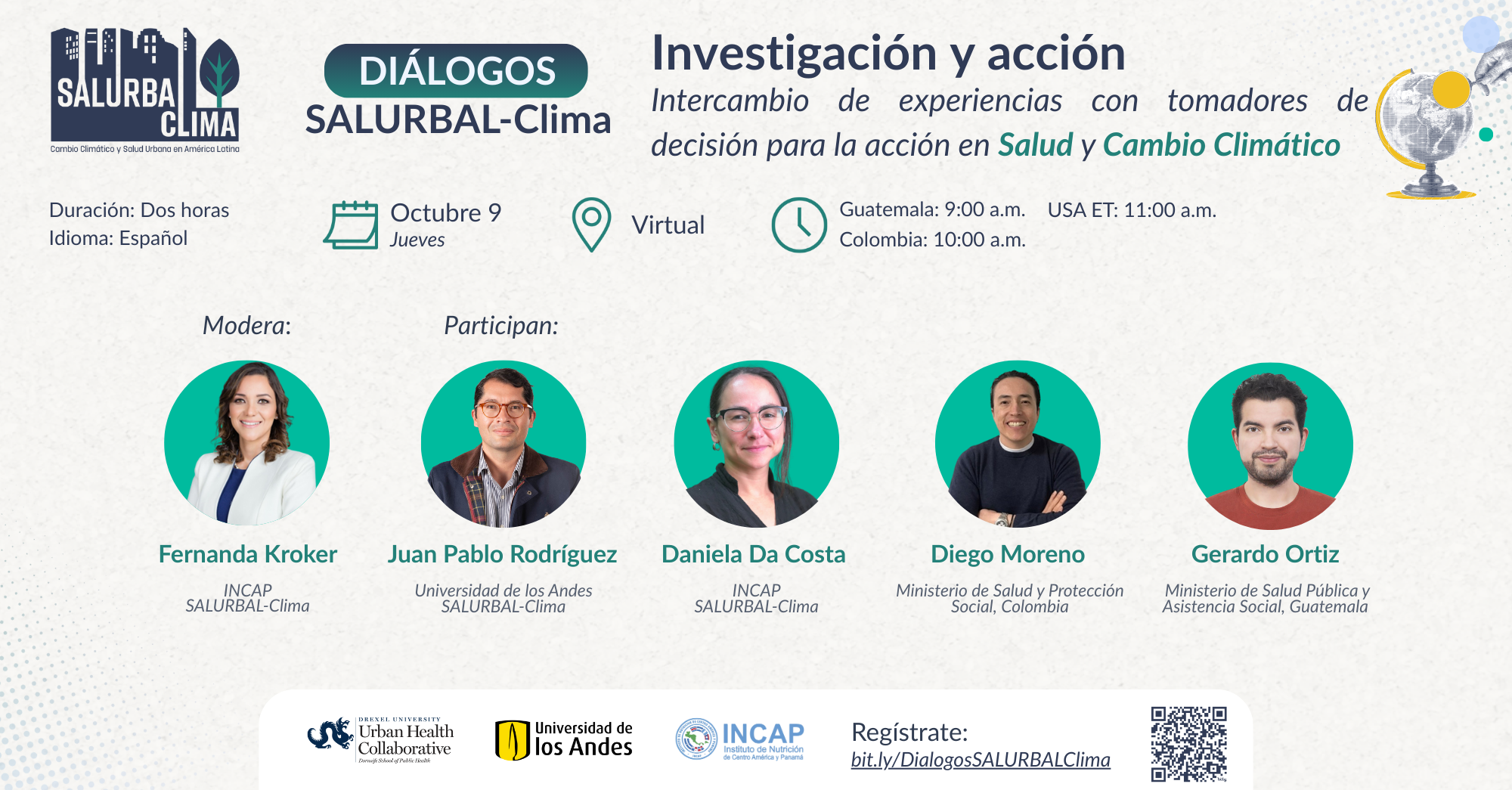
Intercambio de experiencias con tomadores de decisión de Colombia y Guatemala para la acción en Salud y Cambio Climático. Este Webinar, realizado el 9 de octubre de 2025, presentó: 🔹 Evidencia científica sobre clima, salud y seguridad alimentaria, generada por SALURBAL-Clima 🔹 Soluciones lideradas desde el Ministerio de Salud y Protección Social de Colombia y del Ministerio de Salud Pública y Asistencia Social de Guatemala. 🔹Panel y sesión de preguntas.
How are climate change and urban flooding affecting the most vulnerable communities in Latin America? SALURBAL-Climate shares this video highlighting the key findings of the study “Social disparities in flood exposure in 44,698 urban neighborhoods in Latin America,” bringing science closer to public policy to drive solutions.
Mr. Castillo presents a talk titled, “Advancing Integrated Action on Health, Climate, and Air Quality: An Overview of PAHO City-Level Technical Cooperation". At PAHO, Mr. Castillo delivers technical cooperation to health officers in the Americas and the Caribbean to build capacities towards addressing the air pollution burden of disease, bringing +14 years’ experience in the environmental public health field.
The event brought together urban health experts to discuss the effects of inequality and segregation on health outcomes, the effects of the built environment, urban form and climate change on health, as well as the political challenges to mitigate COVID-19 in northeastern Brazil.
Dr. Ebelt presents a talk titled, “Climate Sensitive Hazards and Health Risks in Urban Populations: Lessons from the South”. Dr. Ebelt's research focuses on assessing the health impacts of air pollution, meteorological conditions, and weather extremes, with a focus on potentially susceptible and vulnerable populations. Dr. Ebelt leads several large-scale population-based studies of ambient air quality and acute morbidity, utilizing administrative health data such as emergency department visit and hospitalization records.
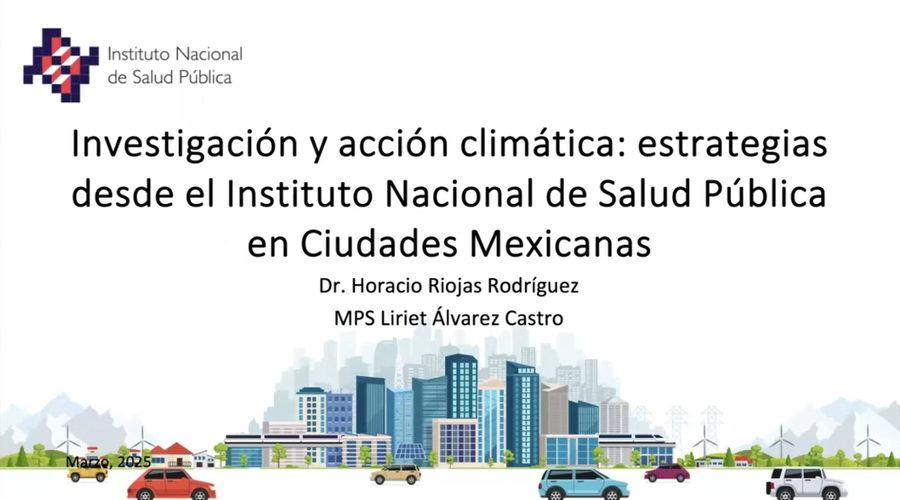
Dr. Riojas presents a talk titled, "Climate Research and Action: Strategies from the National Institute of Public Health in Mexican Cities ". Dr. Horacio Riojas is the Director of Environmental Health Department at the Center for Population Health Research in the National Institute of Public Health of Mexico. Dr. Riojas's research focuses on outdoor and indoor air pollution, and health, health risk assessment, neurocognitive impact of metals and climate change and air pollution.
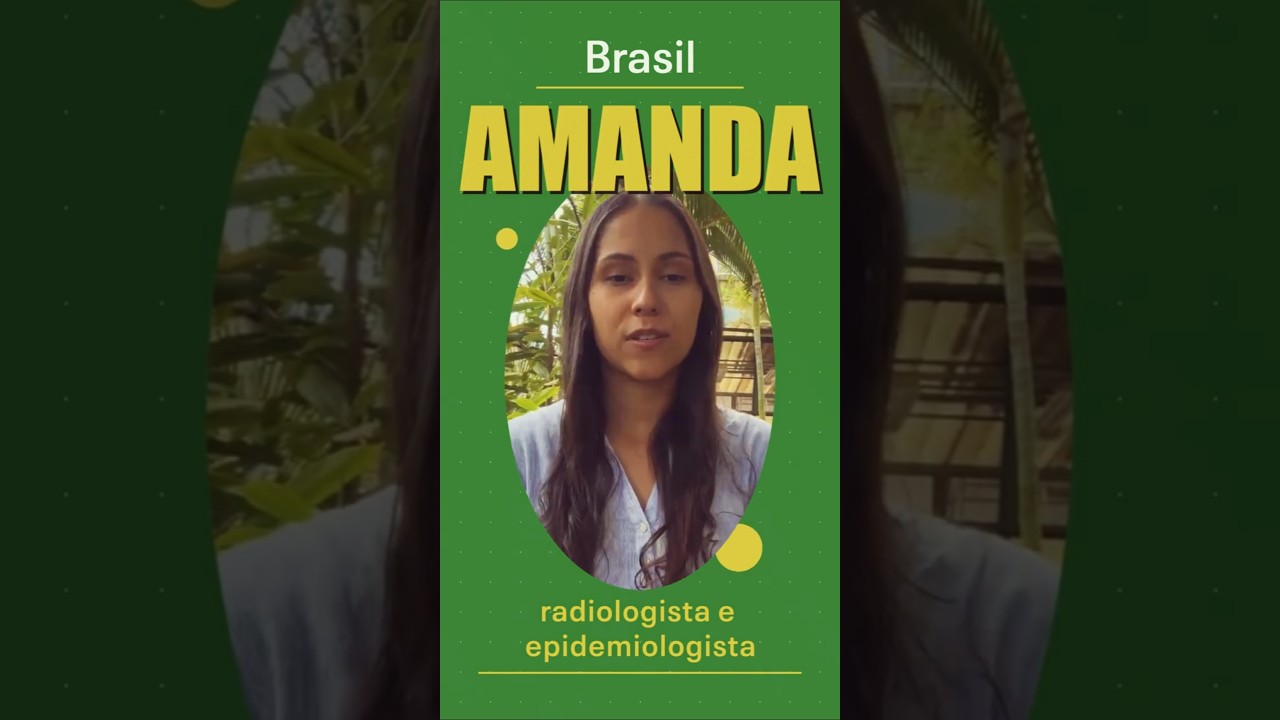
Amanda es licenciada en Radiología, tiene un máster en Epidemiología y actualmente cursa un doctorado en Salud Pública en la Universidad Federal de Minas Gerais. Su investigación se centra en el desarrollo de indicadores para medir las características de los barrios mediante la observación sistemática en contextos urbanos brasileños.
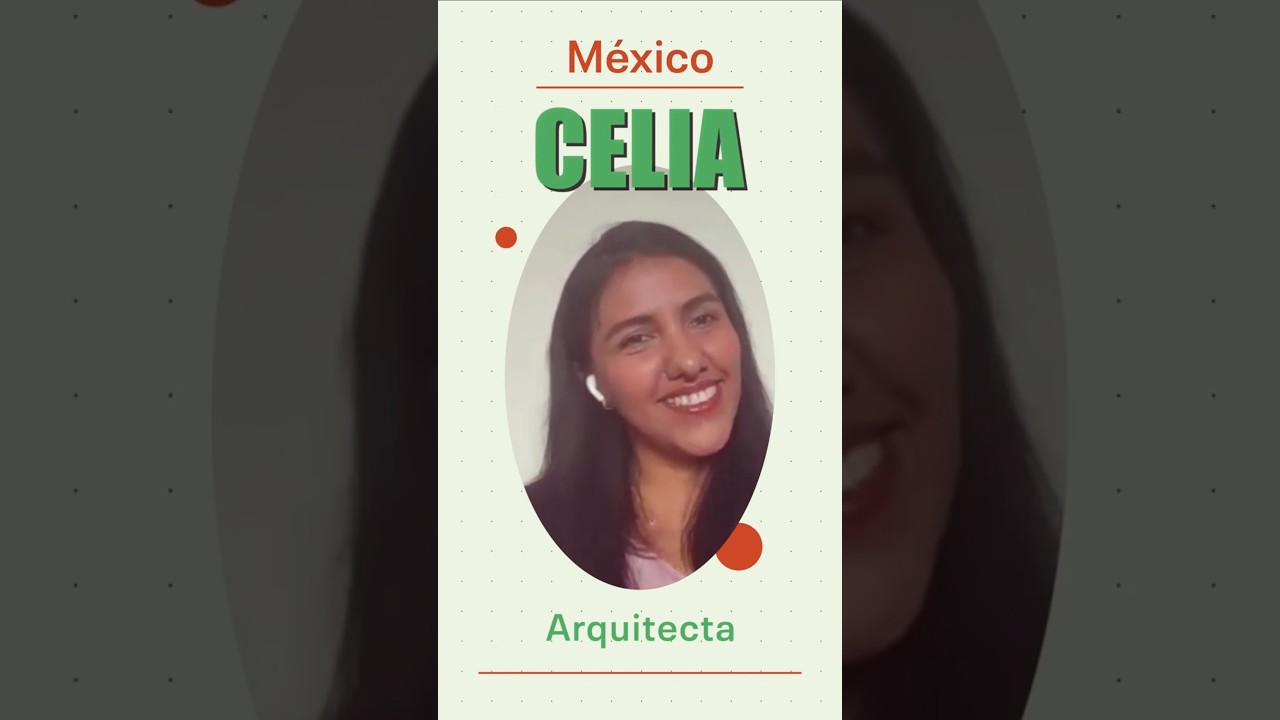
Celia es arquitecta por la Universidad Autónoma del Estado de Morelos, Magister en Ciencias de la Salud Ambiental por el Instituto Nacional de Salud Pública. Actualmente se encuentra haciendo su doctorado estudiando los materiales de construcción en la vivienda como modificadores del efecto de la asociación entre temperatura y mortalidad.
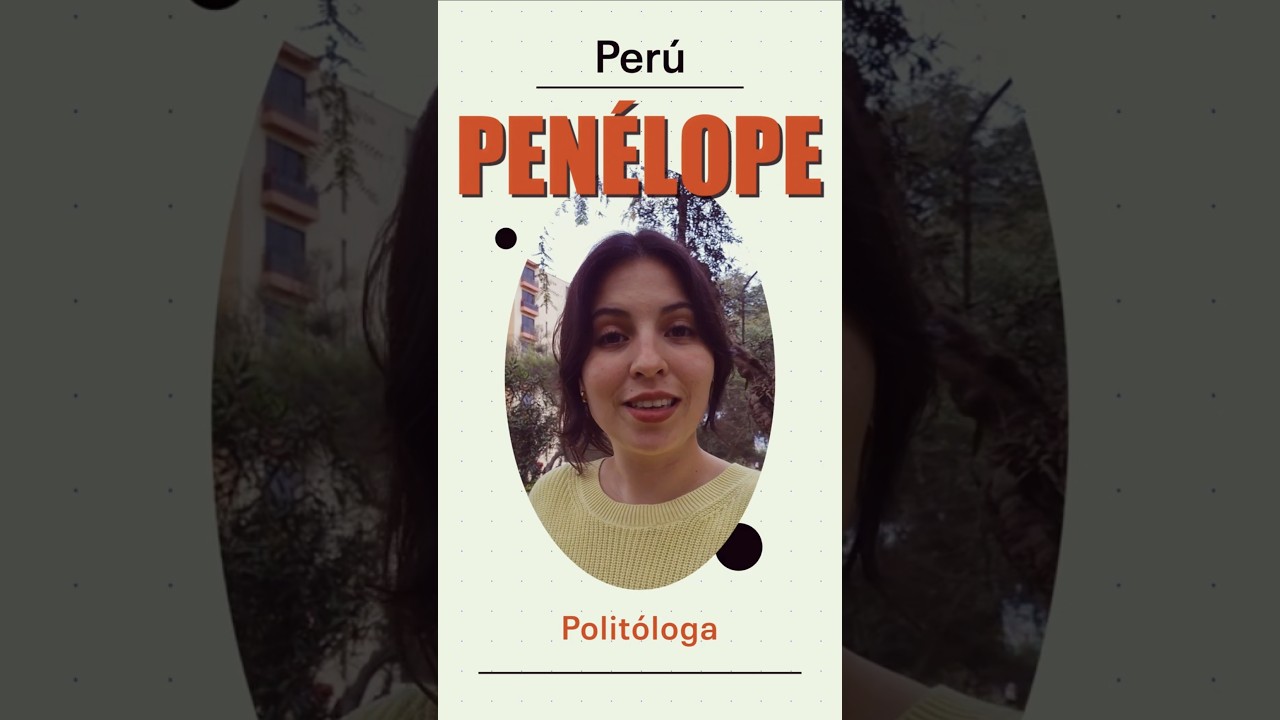
Penélope es Politóloga de la Pontificia Universidad Católica del Perú y Magíster en Salud Pública y Salud Global por la Universidad Peruana Cayetano Heredia. Su experiencia la ha llevado a la investigación y gestión de proyectos enfocados en poblaciones vulnerables, temas de género, y salud y cambio climático.
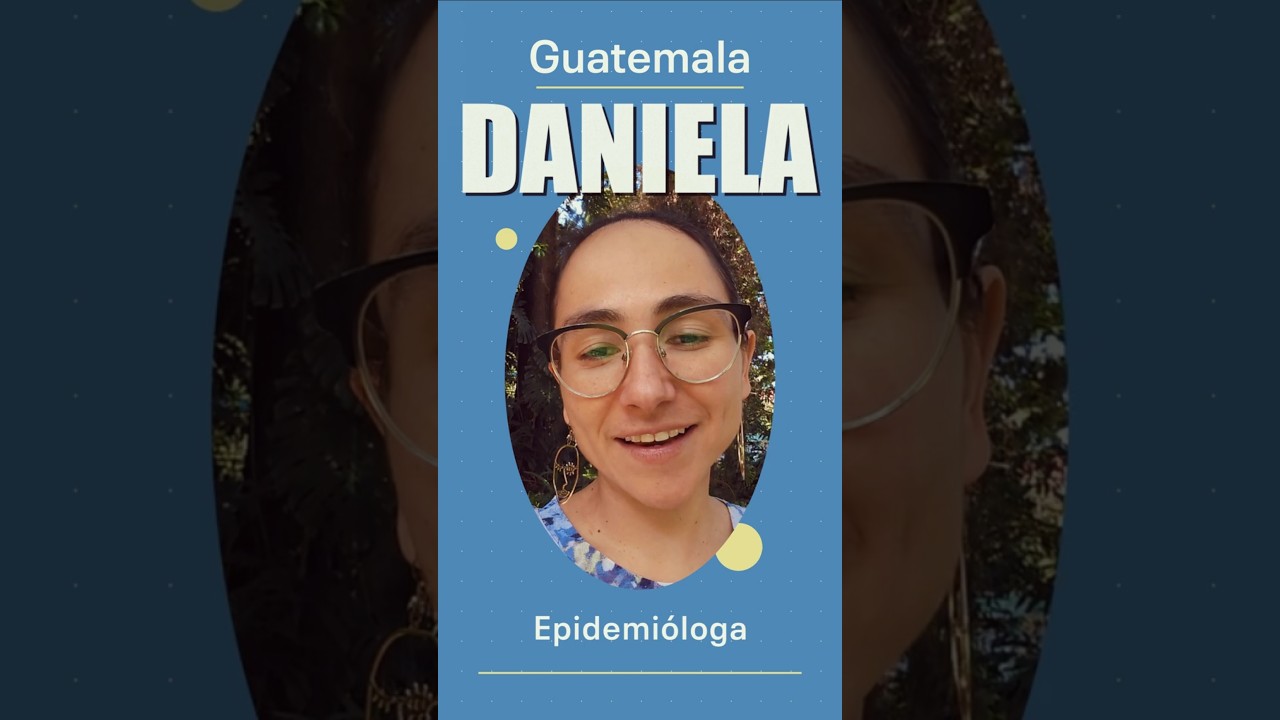
Daniela es investigadora en epidemiología social y licenciada en Biología. Actualmente trabaja en INCAP como becaria de investigación y asistente de investigación del proyecto SALURBAL-Clima. Su investigación doctoral se enfoca en los resultados en salud relacionados con la movilidad, el cambio climático y el transporte.
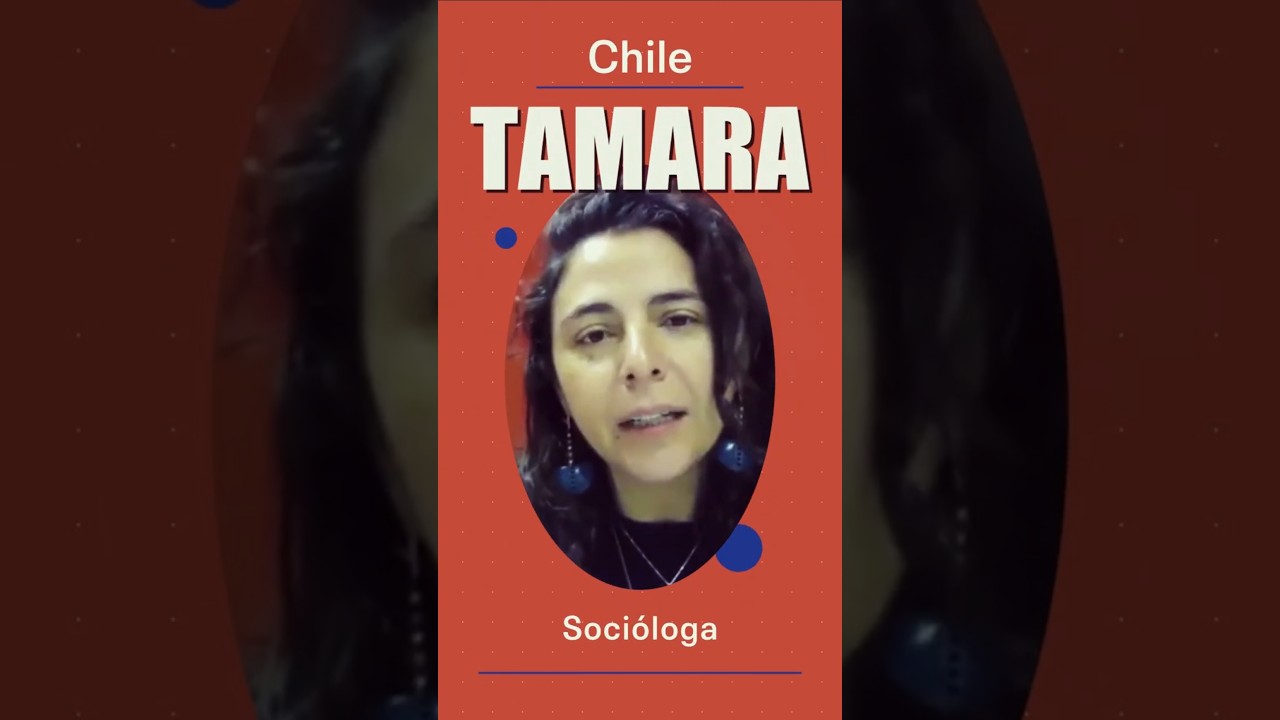
Tamara es Socióloga, Magíster en Gerencia Social para el Desarrollo y Magíster en Salud Pública en la Pontificia Universidad Católica de Chile. En su experiencia profesional ha trabajado en Salud Mental Comunitaria y Cambio Climático, utilizando metodología cualitativa en el campo de las ciencias de la implementación.
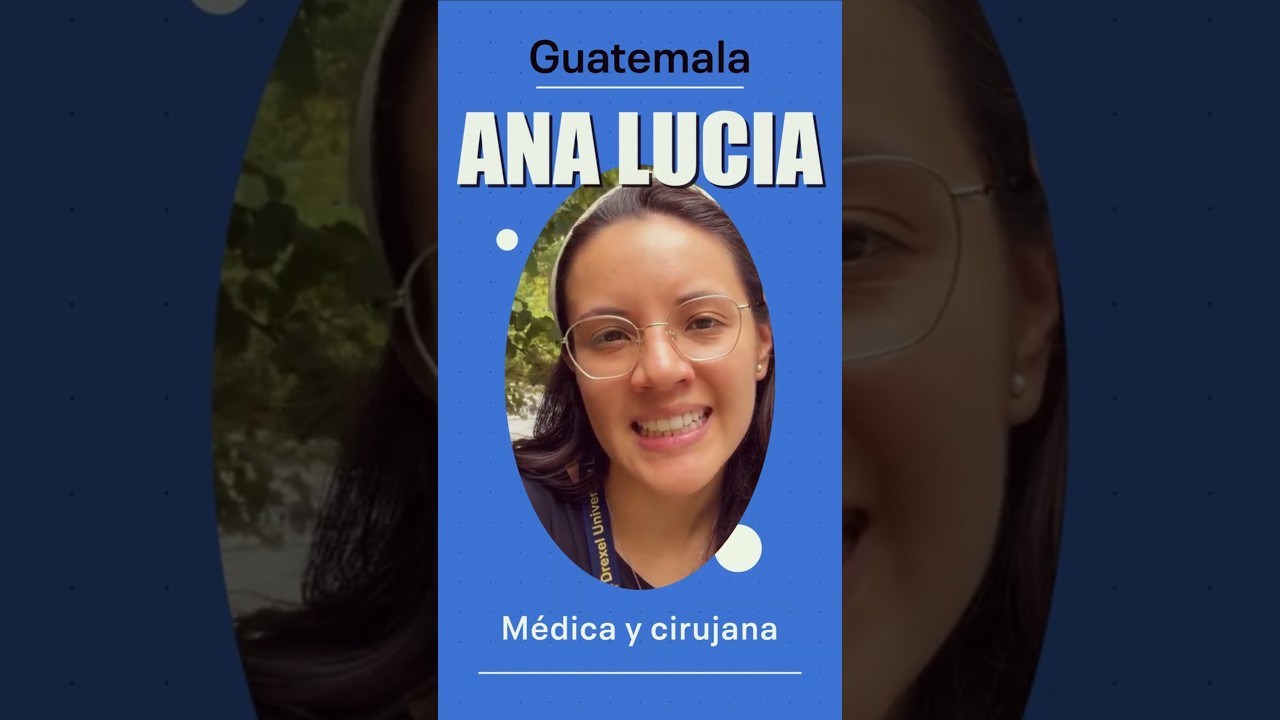
Ana Lucía Peralta es una candidata a doctorado en el departamento de Epidemiología y Bioestadística en la Escuela de Salud Pública Dornsife de la Universidad de Drexel. Actualmente está investigando las disparidades en exposición a tormentas tropicales y sus consecuencias en salud en las Américas.
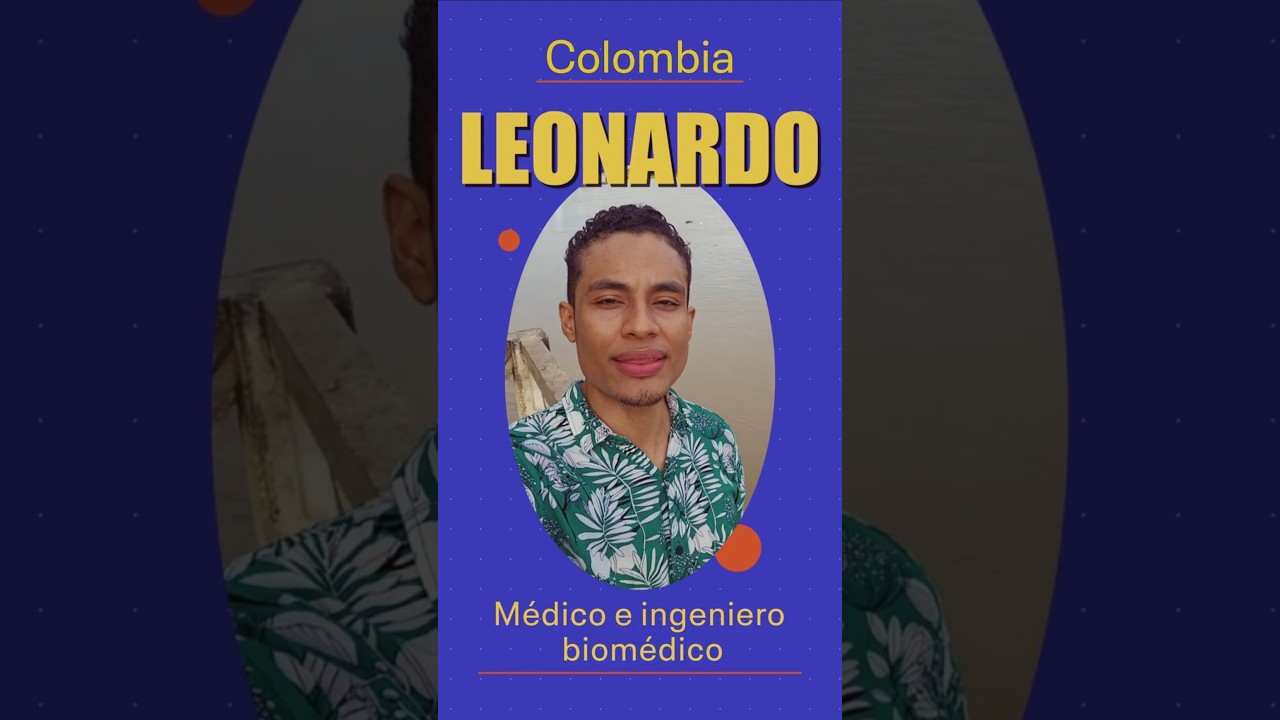
Leonardo es Médico e Ingeniero Biomédico egresado de la Universidad de los Andes, donde actualmente estudia la maestría en Inteligencia Analítica de Datos. En 2016 inició sus estudios superiores gracias al programa Ser Pilo Paga y en 2022 se vinculó al grupo EpiAndes donde continúa trabajando.
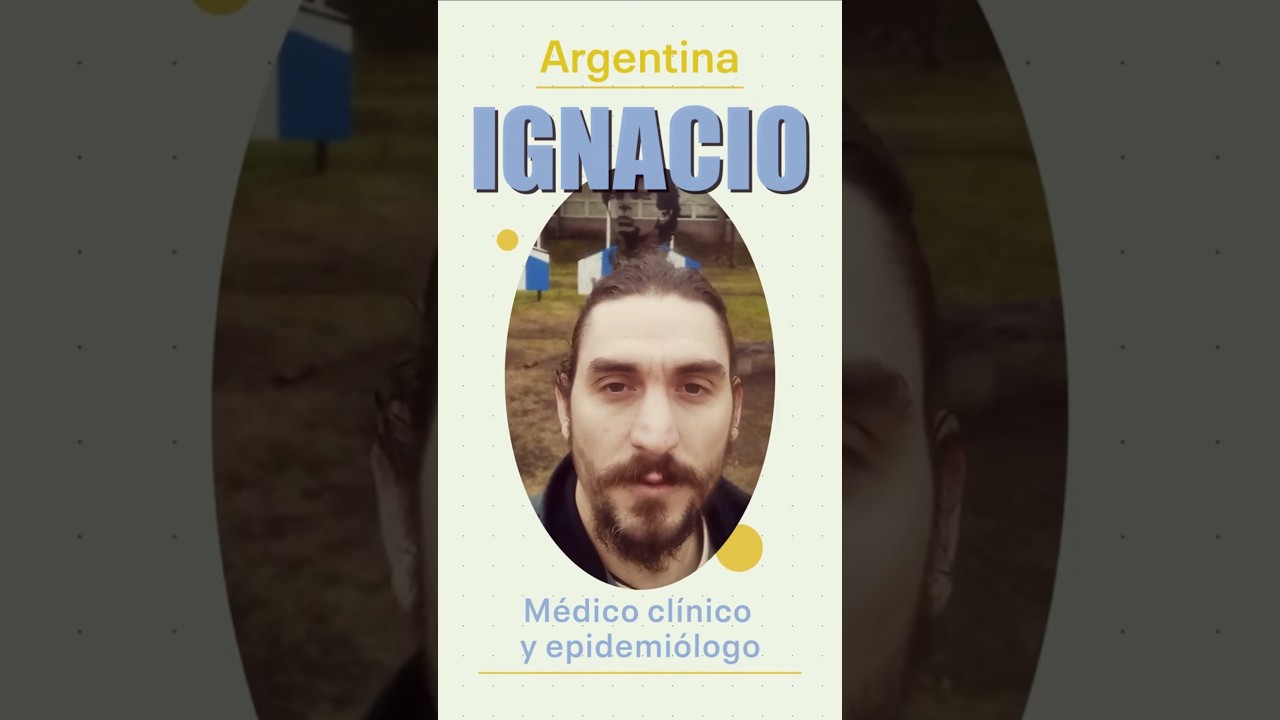
Ignacio es médico de la Universidad de Buenos Aires, Magíster en Epidemiología, Gestión y Políticas de Salud en el Instituto de Salud Colectiva de la Universidad Nacional de Lanús. Actualmente es estudiante de doctorado en Salud Colectiva con orientación en Epidemiología.
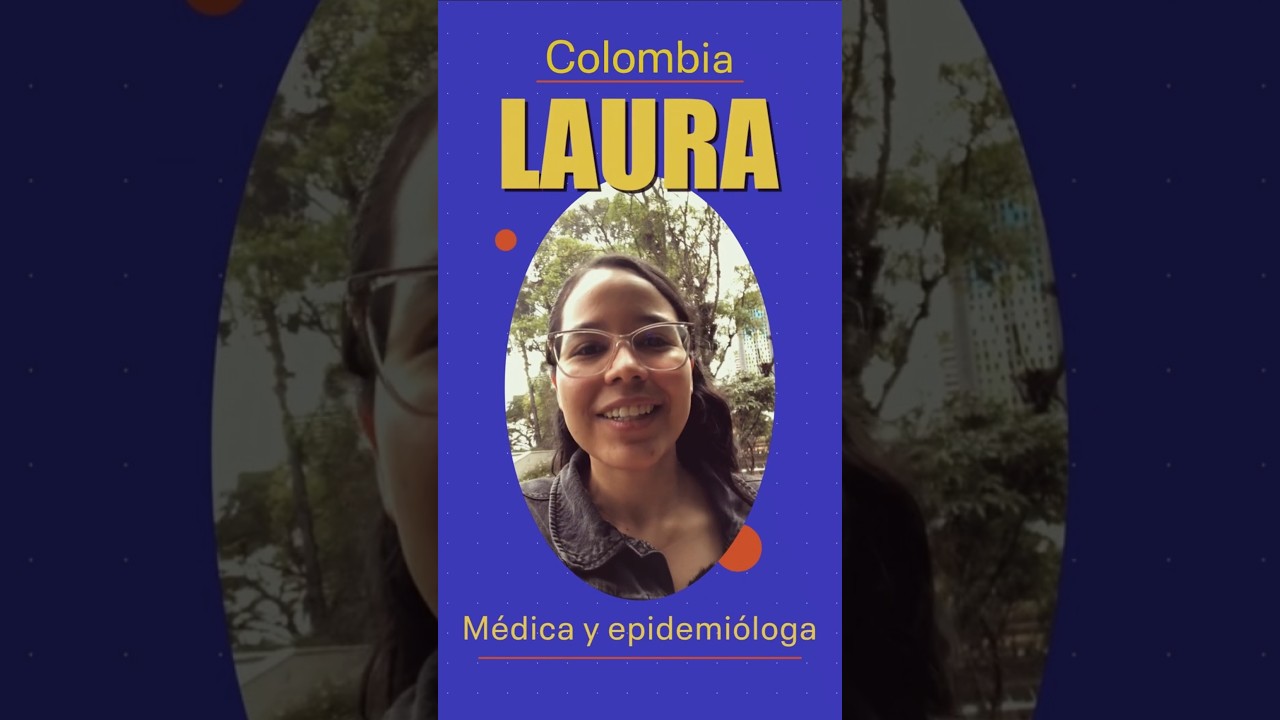
Laura Baldovino-Chiquillo es Médica y Magíster en Epidemiología por la Universidad de los Andes.
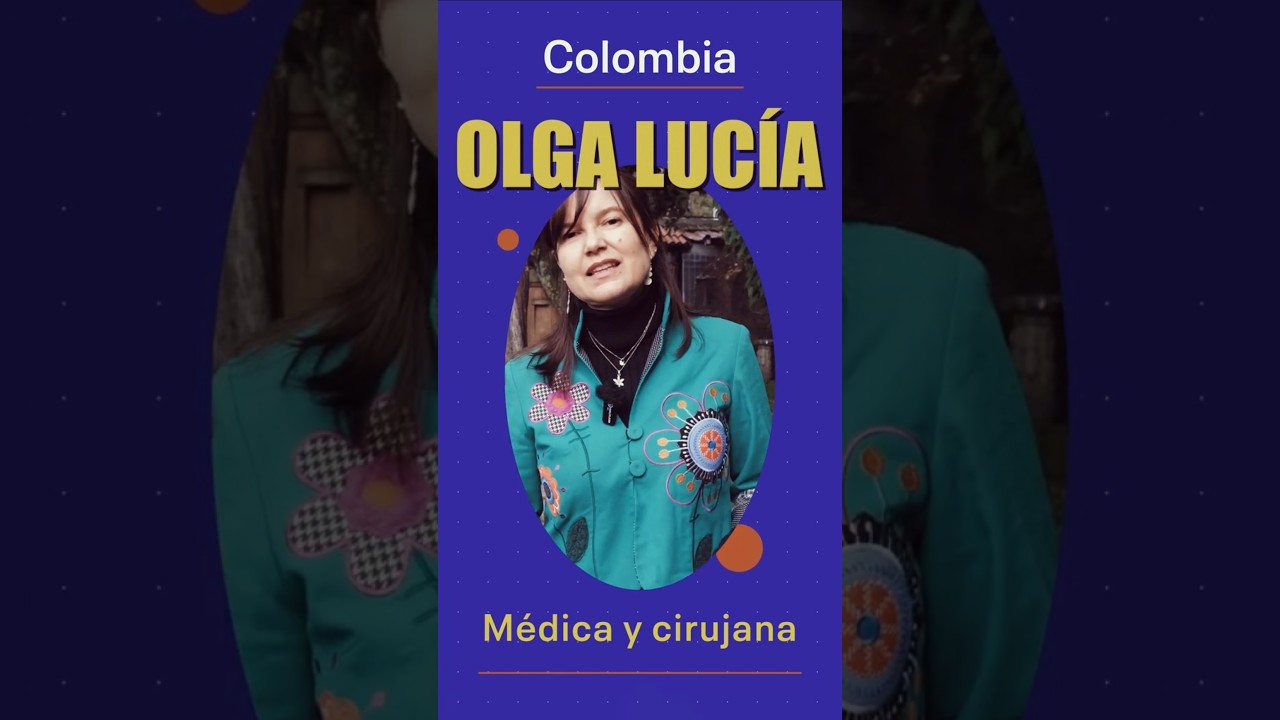
Embark on this tour of eight Latin American countries and learn more about this project through the experiences of its young researchers, who, with a multidisciplinary approach, analyze the connection between urban public health and climate change to promote community policies and actions.
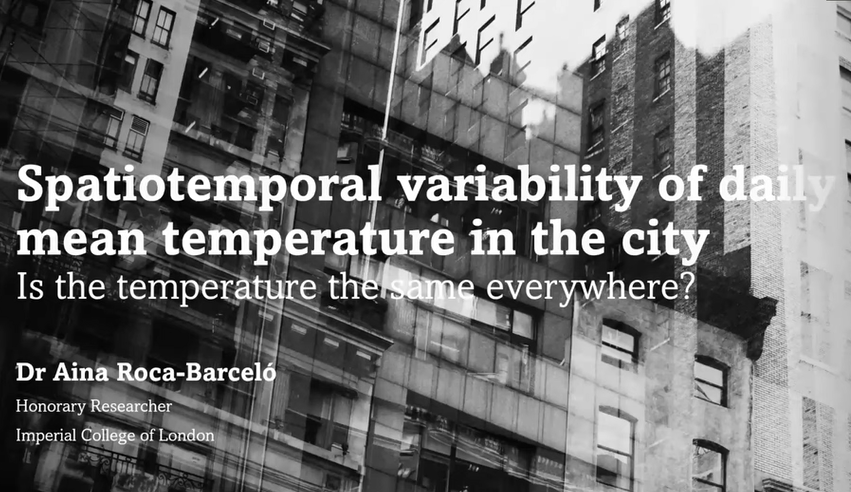
Dr. Roca-Barceló presents a talk titled, "A Random Forest Approach for High-Resolution Estimation of Ground-Level Daily Mean Temperature: Case Study of São Paulo, Brazil (2015–2019)". Dr. Aina Roca-Barceló is Climate Adaptation Advisor with Médecins Sans Frontières (MSF) with the Humanitarian Action for Climate and the Environment (HACE) team, where she is co-leading an important initiative to design and implement MSF’s first systematic heat response plans. Dr. Roca-Barceló holds a PhD from the Imperial College London.
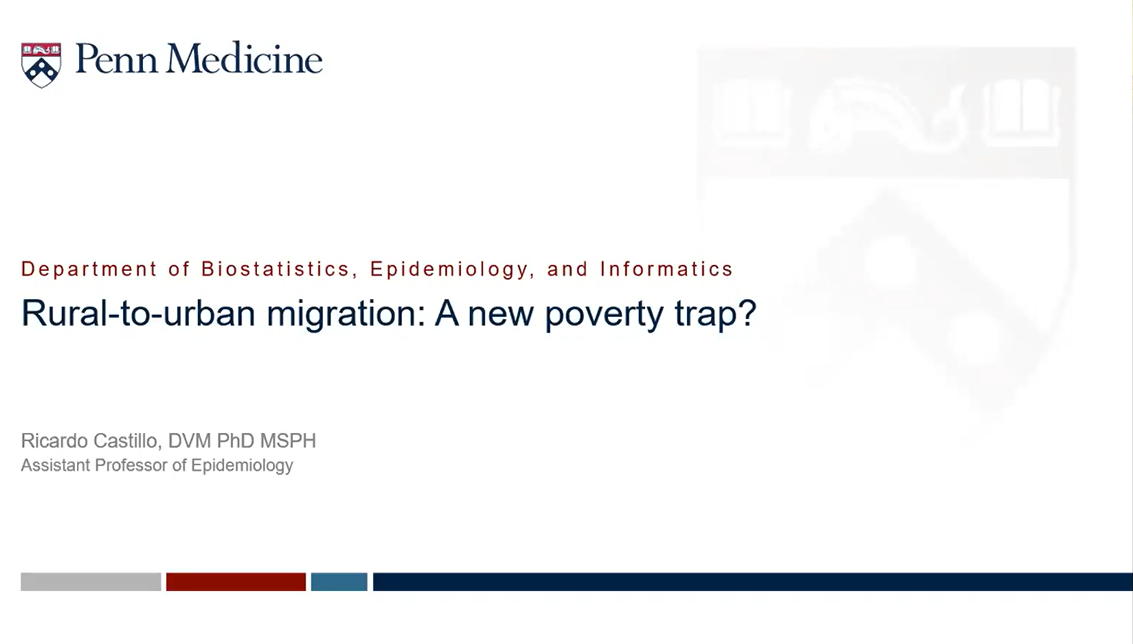
Dr. Castillo presents a talk titled, "Rural-to-urban migration: A new poverty trap?". Dr. Castillo's work applies the One Health approach to study tropical infectious diseases in Latin America, focusing his research on the epidemiology of zoonotic diseases in urban areas. Dr. Castillo is the PI of three NIH-funded projects, focused on the socio-spatial dynamics of urban infectious diseases, the optimization of mass vaccination campaigns to control epidemics, and the training of Peruvian scientists. He is also the Co-PI of a Mellon Foundation project where he studies the intersection of social inequalities, access to health services, and the emergence of infectious diseases.